Climate Solutions Series: The Other Greenhouse Gas - Reducing Methane to Help End the Climate Crisis
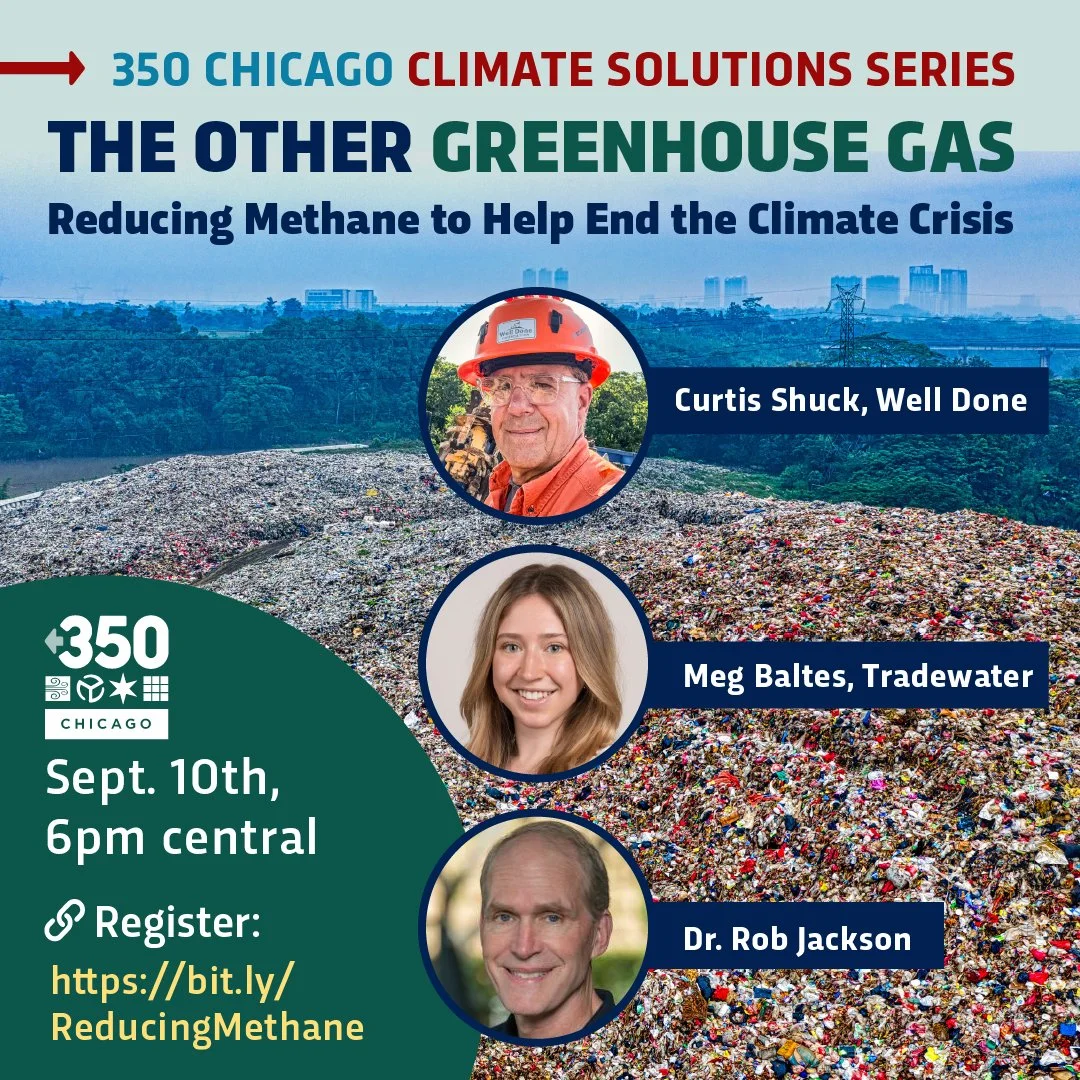
Next in our Climate Solutions Speaker Series is on how we reduce methane gas.
Thursday, September 10th
6:00pm Central
Methane gas is a super-pollutant green-house gas that doesn’t get the press that CO₂ does. While we have pumped far more CO₂ into our atmosphere, methane has a much larger warming impact, as much as 80 times more damaging. Methane comes from animal agriculture, leaking oil wells, and organic waste in landfills. A concerted effort to cut methane emissions is our fastest way to slow global warming.
Join 350 Chicago to hear from Stanford scientist and author Dr. Rob Jackson, Meg Baltes from Tradewater, which works to cut methane gas around the world, and Curtis Shuck, founder of Well Done, which focuses on capping orphan oil wells. Learn about the dangers and the solutions, and what you can do to contribute to the efforts.
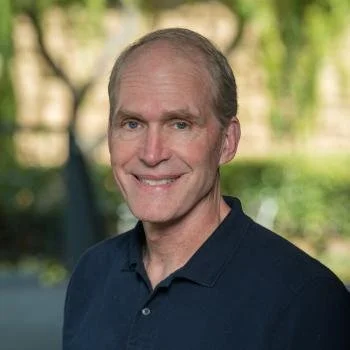
Dr. Rob Jackson, author of the climate solutions book Into the Clear Blue Sky, through the work in his lab produces basic scientific knowledge to help shape policies and reduce the environmental footprint of global warming, energy extraction, and other environmental issues. He is the chair of the Global Carbon Project (globalcarbonproject.org). Rob helped establish a global network of methane tower measurements across the Amazon and more than 100 sites worldwide to measure and reduce methane emissions and air pollution from oil and gas wells, city streets, and homes and buildings. Rob won this year's Blue Planet Prize and is a recent Djerassi artist in residence, Guggenheim Fellow, and sabbatical visitor in the Center for Advanced Study in the Behavioral Sciences.
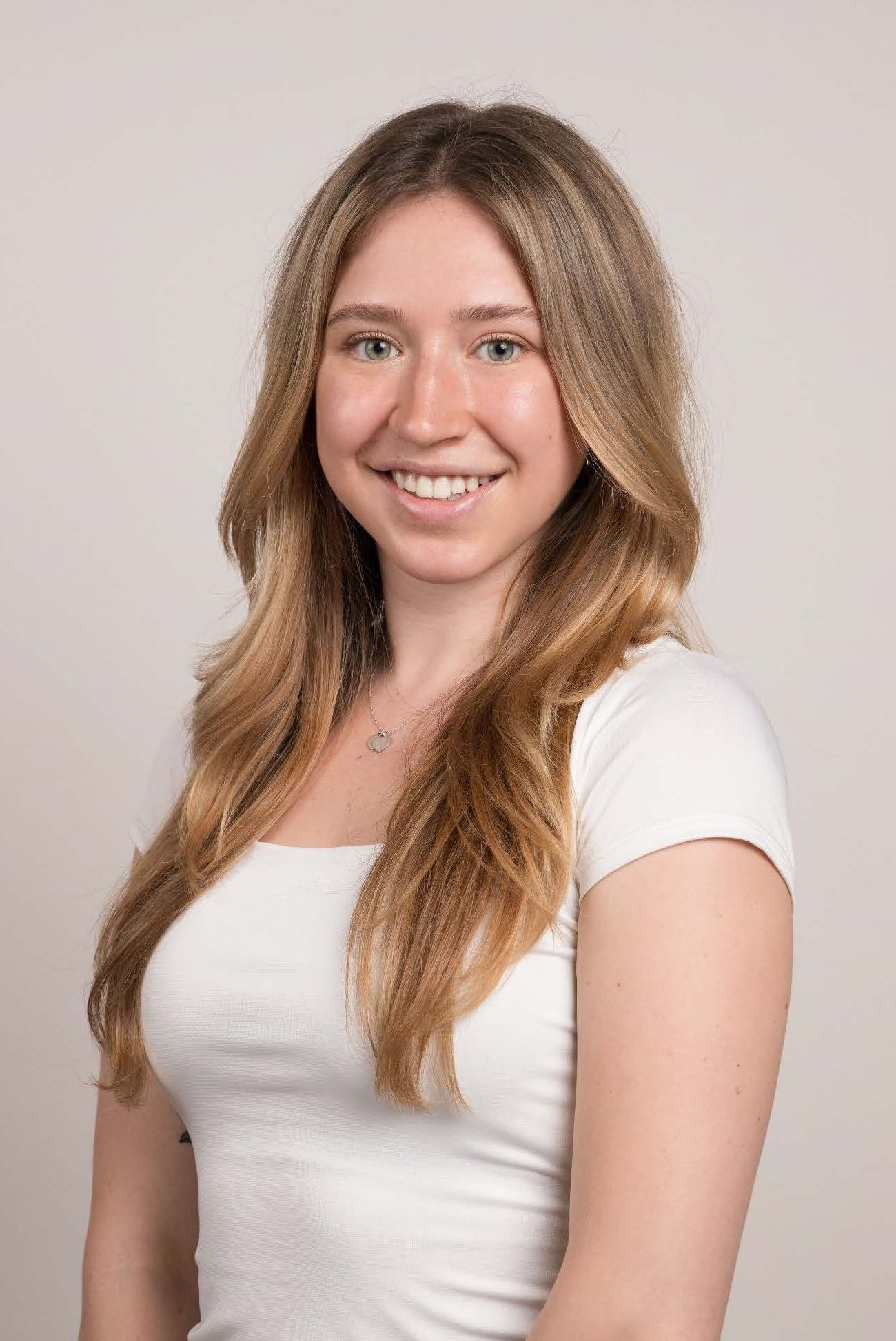
Meg Baltes is a Partnerships Manager at Tradewater where she manages relationships with carbon credit buyers across higher education, sports, and sustainability sectors, working at the intersection of super-pollutant refrigerant destruction, methane abatement, and corporate climate commitments. Meg is also completing her Master of Sustainability Management at Columbia University, and brings prior experience in emissions accounting and geospatial research on nature-based climate solutions to her work today.
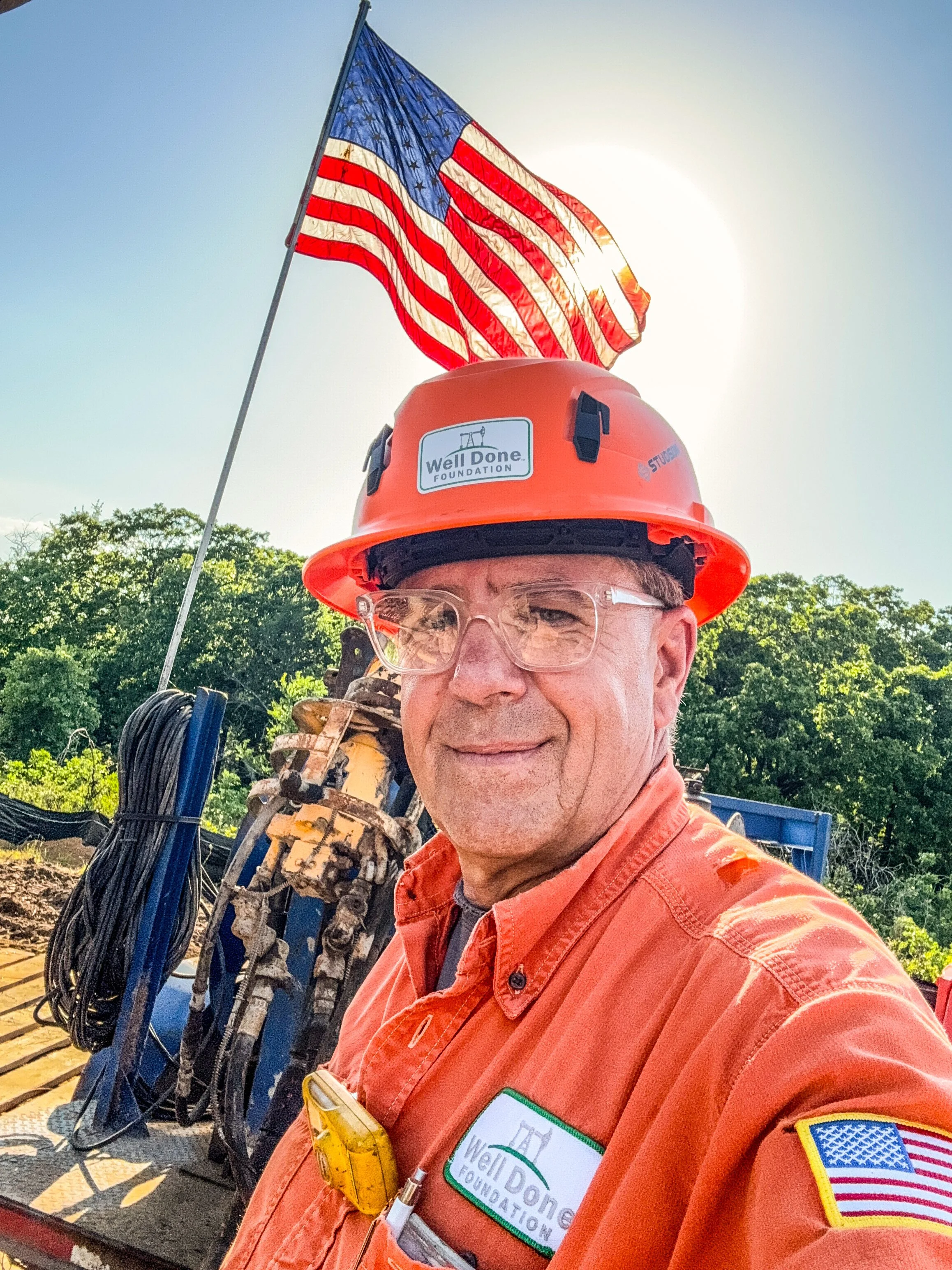
Curtis Shuck brings more than 30 years of experience in the oil and gas industry to his current mission: plugging America's estimated 3.5 million orphaned wells and eliminating the methane and other emissions they leak into the atmosphere every day. His career began in 1982 as a roustabout on Alaska's North Slope, and over the following decades he held leadership roles in energy transportation, logistics, and business development across the Pacific Northwest and Mid-Continent, including serving as President of Red River Oilfield Services in North Dakota's Bakken region. Curtis founded the Well Done Foundation in 2019 to tackle the orphan well crisis. Under his leadership, WDF has plugged more than 120 wells, eliminating over 5 million metric tons of CO₂-equivalent emissions. The organization locates, measures, plugs, and restores orphaned well sites in partnership with landowners, government agencies, corporations, and nonprofits.